
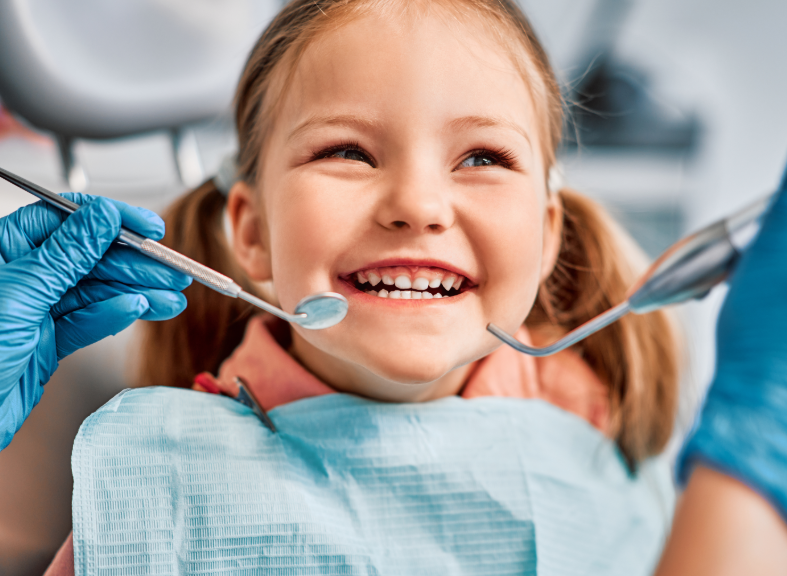
If your child winces while eating ice cream or complains that brushing their teeth hurts, you may be wondering what’s causing their discomfort. Tooth sensitivity isn’t just an adult problem—it can affect children, too. While occasional sensitivity may not be a cause for concern, persistent pain can signal an underlying dental issue that needs attention.
The good news is that tooth sensitivity is often treatable once the cause is identified. Here’s what parents should know.
What Causes Sensitive Teeth in Children?
Tooth sensitivity happens when the inner layers of a tooth become exposed or irritated. This can happen for several reasons, some of which are temporary while others require professional treatment.
Some common causes include:
- Cavities that have weakened the tooth’s protective enamel.
- Worn or damaged enamel from aggressive brushing.
- Cracked or chipped teeth caused by falls or sports injuries.
- Teeth grinding (bruxism), which can wear away enamel over time.
- Gum recession that exposes sensitive tooth roots.
- Newly erupting permanent teeth, which may be temporarily more sensitive.
- Orthodontic treatment, which can sometimes cause mild, short-term sensitivity.
Because several different conditions can produce similar symptoms, it’s important to have your child’s teeth evaluated if the sensitivity doesn’t improve.
Try Gentle Care at Home
If your child’s sensitivity is mild, a few simple changes may help reduce discomfort.
Start by making sure they’re brushing with a soft-bristled toothbrush using gentle, circular motions instead of scrubbing back and forth. Brushing too aggressively can wear away enamel and irritate the gums.
You can also ask your dentist whether a fluoride toothpaste or one formulated for sensitive teeth is appropriate for your child’s age. Fluoride helps strengthen enamel, making teeth less vulnerable to temperature changes and everyday wear.
In the meantime, encourage your child to avoid extremely hot or icy foods if they trigger discomfort.
Don’t Ignore Ongoing Pain
Although occasional sensitivity may not be serious, pain that continues for several days—or becomes more intense—shouldn’t be ignored.
Persistent sensitivity may indicate a cavity, a cracked tooth, or another issue that won’t resolve on its own. Children aren’t always able to explain exactly what they’re feeling, so it’s important to pay attention if they begin avoiding certain foods, chewing on one side of their mouth, or resisting brushing because it hurts.
The sooner a dental problem is diagnosed, the simpler and more comfortable treatment often is.
When Should You See a Children’s Dentist?
Schedule a dental visit if your child’s sensitivity:
- Lasts more than a few days.
- Makes it difficult to eat or drink.
- Occurs when brushing or flossing.
- Is accompanied by swelling, discoloration, or visible damage to a tooth.
- Develops after a fall or blow to the mouth.
A children’s dentist can determine what’s causing the discomfort and recommend the most appropriate treatment. Depending on the diagnosis, that may include a fluoride treatment, a dental filling, a protective sealant, or other restorative care. If the sensitivity is related to a dental injury, prompt treatment can help protect the affected tooth and prevent complications.
Sensitive teeth can make everyday activities uncomfortable for your child, but they don’t have to stay that way. With the right care and early attention, your little one can get back to smiling, eating, and brushing comfortably.
About the Practice
The team at Woodland Pediatric Dentistry is committed to providing compassionate, personalized dental care for infants, children, teens, and patients with special healthcare needs. Dr. Vahid offers preventive, restorative, and emergency dental services in a welcoming environment designed to help children feel comfortable and confident.
Call us at (678) 498-2878 or schedule your appointment online.